


10 Days Tour
Welcome to you Dhaka, the capital of Bangladesh, is a vibrant city known for its rich history, bustling streets, and diverse culture. It is the political, economic, and cultural heart of the country.here live in appropriately 20 million people, 8th megacity and over populated density city in the world.
Highlight 1
Day -1 Dhaka city tour
Bangladesh National Parliament building -Kawran
Bazar -Dhaka University -National Temple –
Lalbagh fort-star mosque – Armenian churchpink Palace -buriganga River port – buriganga
Ship yard.
Overnight Stay :Dhaka
Day-2 Dhaka to Bogura
National monument -atia mosque -weavers
village -Noborotno Temple.
Overnight stay:Bogura city
Day-3 Bogura to Rajshahi
Mahasthangarh +Gokul medh+Paharpur
Buddhist Monastery +Kusumba mosque
Overnight Stay :Rajshahi
Day-4 Rajshahi to Puthia
Puthia capital of Temple – Varendra Research
Museum Rajshahi -padma River.
Overnight stay-rajshahi
Day-5 Rajshahi to Khulna
Tiger mosque -Lalon Akhra -otters fishing
Overnight stay: Khulna
Day-6 Khulna to Barisal
Karamjal mangrove forest station +Sixty Dome
Mosque +khan Jahan ali Shrine+Nine dome
mosque +Singair mosque.
Overnight stay:Barisal
Day -7 Barisal to Dhaka
Barisal back waters tours.floating vegetables
market +timber market +cultivate system
Overnight stay: Dhaka
Day: 8 Dhaka to Sreemangal
Panam nagar city+Sonargaon Folk Museum
+Goaldi mosque
Overnight stay :Sreemangal
Day:9 Sreemangal to Sylhet
Tea gardens of sreemangal +Lawachara Rain
forest+Madhabkunda lake+Seven Colour
tea+Tribes village.
Overnight stay: Sylhet
Day-10.Sylhet to Dhaka
Ratargul Swamp Forest +Bichhanakandi
Overnight stay :Dhaka
Itinerary
Welcome to you Dhaka, the capital of Bangladesh, is a vibrant city known for its rich history, bustling streets, and diverse culture. It is the political, economic, and cultural heart of the country. Here live in appropriately 20 million people, 8th megacity and over populated density city in the world. We are mainly explore old Dhaka part and most attraction tourists place in Dhaka.
1st we are explore National parliament building From outside, The National Parliament Building of Bangladesh was designed by world-renowned American architect Louis I. Kahn. Its construction began in 1961 and was completed in 1982. The project was initiated under Pakistani rule but completed after Bangladesh's independence, under the leadership of Sheikh Mujibur Rahman. That’s after we are visite Kawran Bazar. Kawran Bazar was established during the Mughal period, named after a merchant called Kawran Singh, who set up a market there in the late 18th century. Over time, it evolved into one of Dhaka’s major commercial and wholesale trading hubs. After that’s we are visiting Dhaka University it’s built 1921. It’s built British period for that’s have British touch building Design. We are explore Lalbagh Fort is an incomplete Mughal fort complex in Dhaka, started in 1678 by Prince Muhammad Azam, son of Emperor Aurangzeb. Later, Shaista Khan continued the construction but halted it after his daughter’s death, believing the fort to be unlucky.
The site now serves as a historic landmark and popular tourist attraction. This after we are consequencely explore National Temple of Bangladesh, it’s called Dhaleshwari Temple, it’s built 12th century and very holy place for Hindu community people after that’s we will going Star Mosque it’s built by Mirza Ghulam pir in 1860. That’s after going Armenian Church built 1781.after that Most attractive tourist Sport Pink Palace (Ahsan Manzil) Museum. After that take on boat ride in Buriganga River and explore ship yard point in Dhaka. Overnight stay: Dhaka
We begin our journey toward the gateway to North Bengal, Bogura, around 8:30–9:00 AM. On the way, we will explore several culturally and historically significant sites:
- Bangladesh National Monument – A powerful symbol of the nation’s history and sacrifices.
- Atia Mosque – Built in 1609 during the Mughal period, located in Delduar, Tangail. This beautiful mosque showcases a unique blend of Mughal and Bengal architectural styles with intricate terracotta ornamentation.
- Tangail Weaving Industry – Tangail is famous for its handloom weaving tradition. We will visit local weavers and see the making of their world-renowned fabrics.
After exploring Tangail, we will enjoy a local lunch.
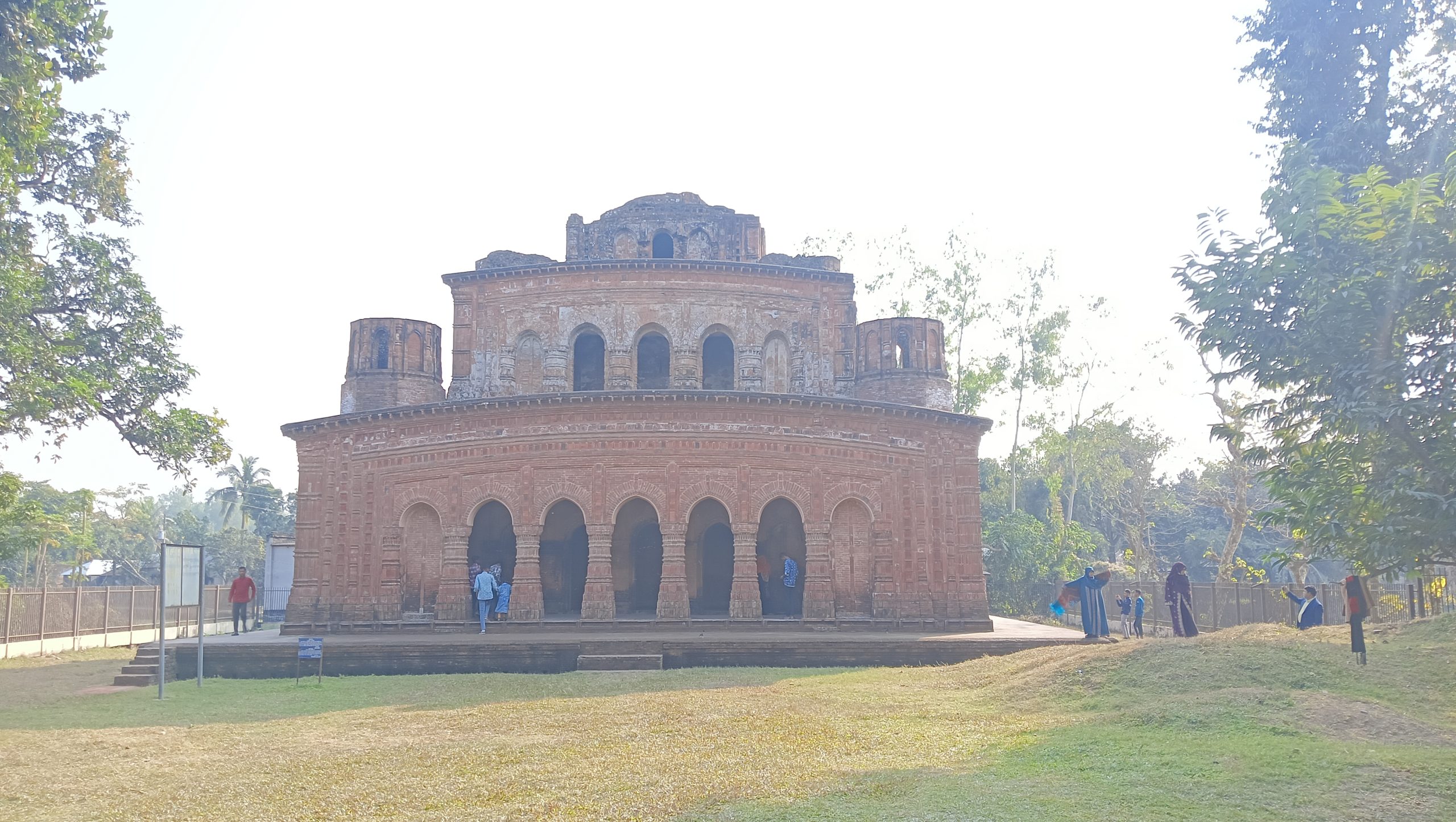
- Noborotno Temple (“Dol Moncho”) – A 3-storey, 18th-century Navaratna-style terracotta shrine in Hatikumrul, Sirajganj, built between 1704–1728 by Ramnath Bhaduri. Modeled after Dinajpur’s Kantajew Temple, it once bore nine pinnacles (navaratna) and features exquisite floral and deity terracotta panels, making it the largest historical monument of its kind in Bangladesh.
Overnight Stay: Bogura City
Our third day is dedicated to exploring some of Bangladesh’s most significant archaeological and heritage sites.
- Mahasthangarh (Bogura) – The oldest archaeological site in Bangladesh, dating back to at least the 3rd century BCE. Once the ancient city of Pundranagara, it features fort ruins, ancient inscriptions, and relics of early urban civilization.
- Gokul Medh – Built between the 6th and 7th centuries during the Gupta or early Pala period. The exact builder is unknown, but the site is linked to both Buddhist and Hindu traditions. Its distinctive mound structure adds to its historical intrigue.
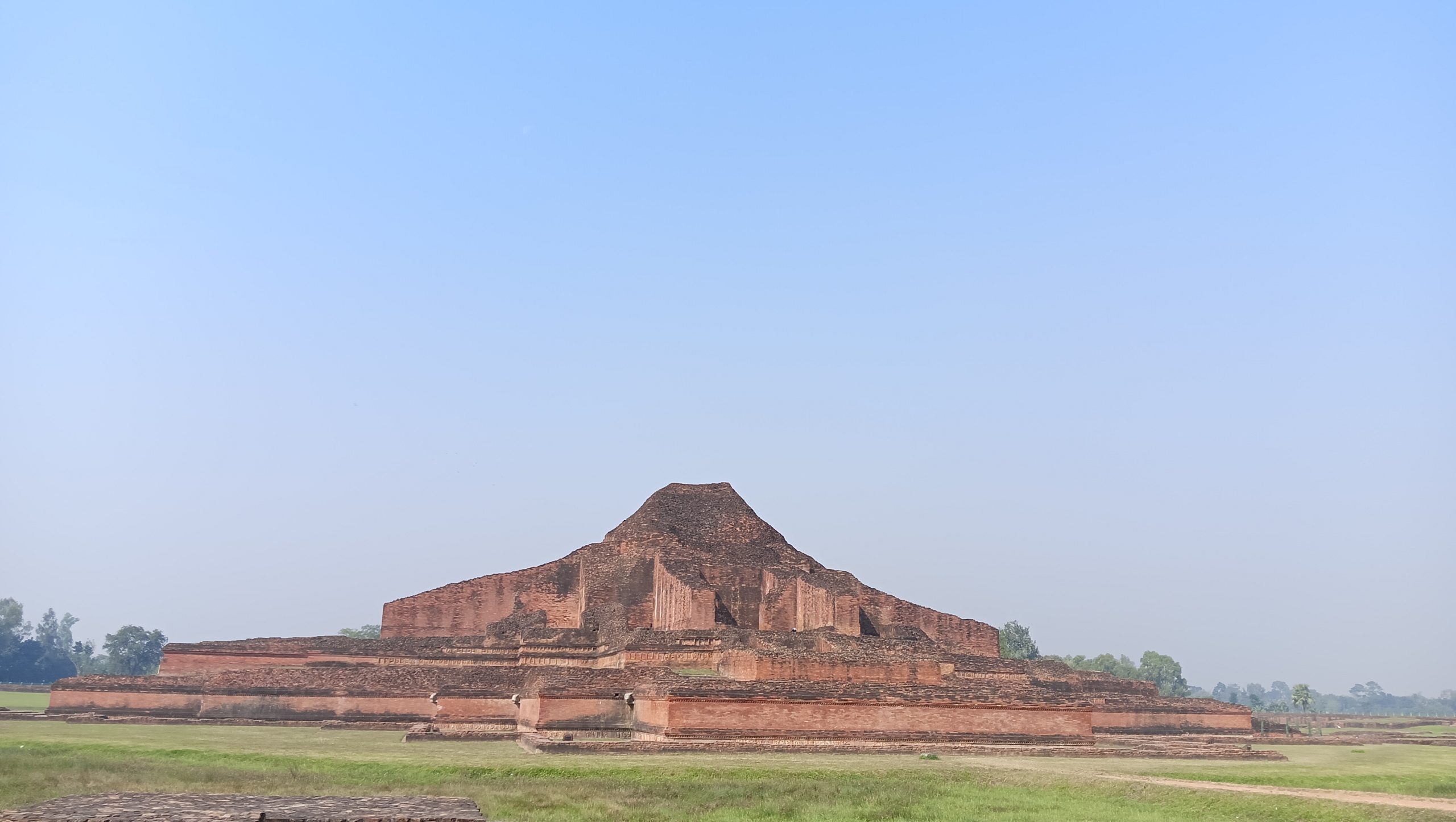
- Paharpur Mahavihara (Naogaon) – A UNESCO World Heritage Site and the largest Buddhist monastery south of the Himalayas, built in the 8th century. This former center of Buddhist learning during the Pala dynasty boasts a grand central stupa, ornate terracotta artwork, and monastic cells—an unmissable site for history and architecture lovers.
We will have lunch on the way before continuing to our final stop for the day:
- Kusumba Mosque (Naogaon) – Known as the “Black Gem of Bengal”, this 16th-century stone mosque was built in 1558–59 during Suri rule. With its six domes, octagonal corner towers, and detailed stonework, it is a true architectural treasure. Renovated after the 1897 earthquake, the mosque stands beside a large historic pond and is enclosed within a walled courtyard.
Overnight Stay: Rajshahi
Today is a relaxed sightseeing day, starting at 9:00 AM. We will explore the cultural and architectural treasures of Puthia, known as the “Temple Capital” of Bangladesh.
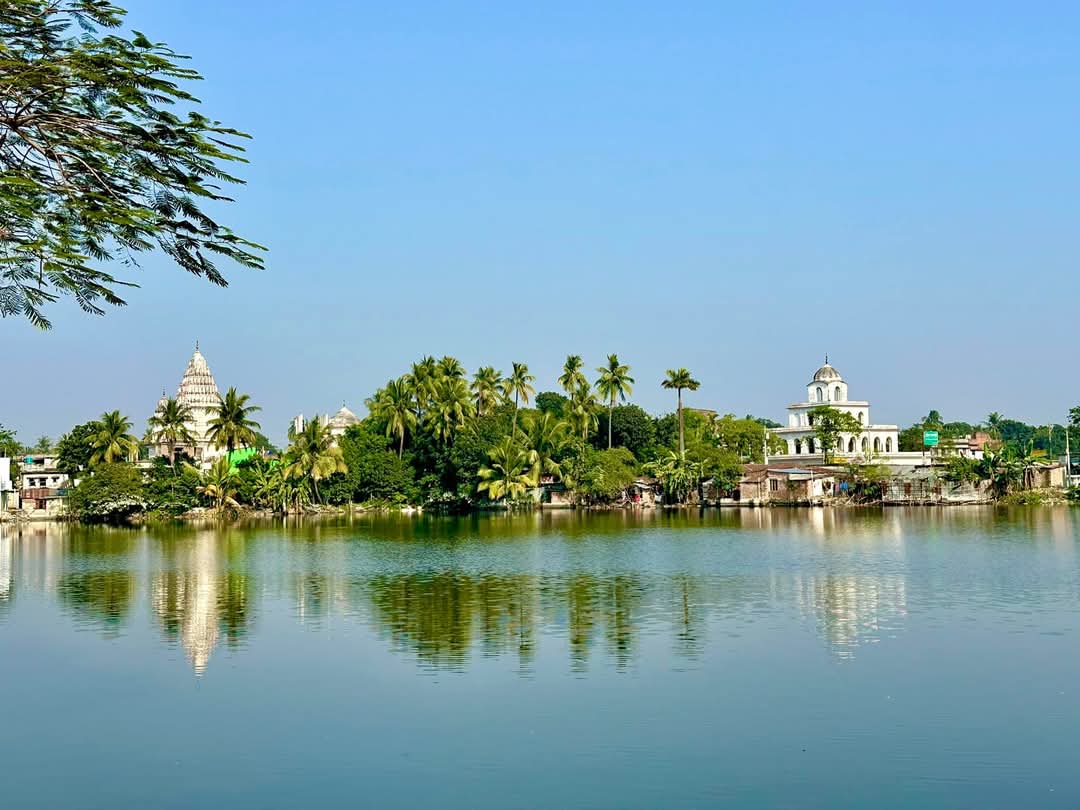
- Shiva Temple (Puthia) – This majestic Pancha Ratna (five-spire) temple, built by Rani Bhubonmoyi Devi (1823–1830), is the largest Shiva temple in Bangladesh. Overlooking the serene Shiv Sagar Lake, it features towering spires and enshrines a massive black basalt Shiva-linga in its sanctum.
- Krisna Temple (Rajbari Complex) – A striking 19th-century red-brick shrine built by the Puthia royal family (1823–1895). With its five pinnacles and exquisite terracotta panels depicting Radha-Krishna scenes, it is still active for worship, housing a Krishna idol in its sanctum.
- Other Puthia Heritage Sites – We will also visit the Ahnik Temple, Small Govinda Temple, Puthia Rajbari Museum, and Dol Temple, each with its own historical charm and architectural beauty.
After exploring Puthia, we return to Rajshahi for lunch.
- Varendra Research Museum – Established in 1910, this is one of the oldest museums in Bangladesh. It houses an impressive collection of artifacts from the Indus Valley, Maurya, and Gupta periods, as well as sculptures, inscriptions, and relics from Buddhist, Hindu, and Muslim heritage.
- Ganges (Padma River) – In the evening, we will enjoy the scenic beauty of the Padma River, one of the largest rivers in Bangladesh, flowing from the Himalayas. The wide, peaceful waters and vibrant sunset views make it perfect for photography, boat rides, and relaxation along the Rajshahi riverbanks.
Overnight Stay: Rajshahi
Today we have a long journey of approximately 200 km from Rajshahi to Khulna, so we will start early in the morning. Along the way, we will explore several culturally rich and historically significant sites.
- Tiger Mosque (Bagha Mosque) – Built in 1523–1524 by Sultan Nasiruddin Nasrat Shah of the Bengal Sultanate, this mosque is famous for its intricate terracotta ornamentation and distinctive tiger motifs on its walls. It stands as a testament to Bengal’s Sultanate-era architectural brilliance.
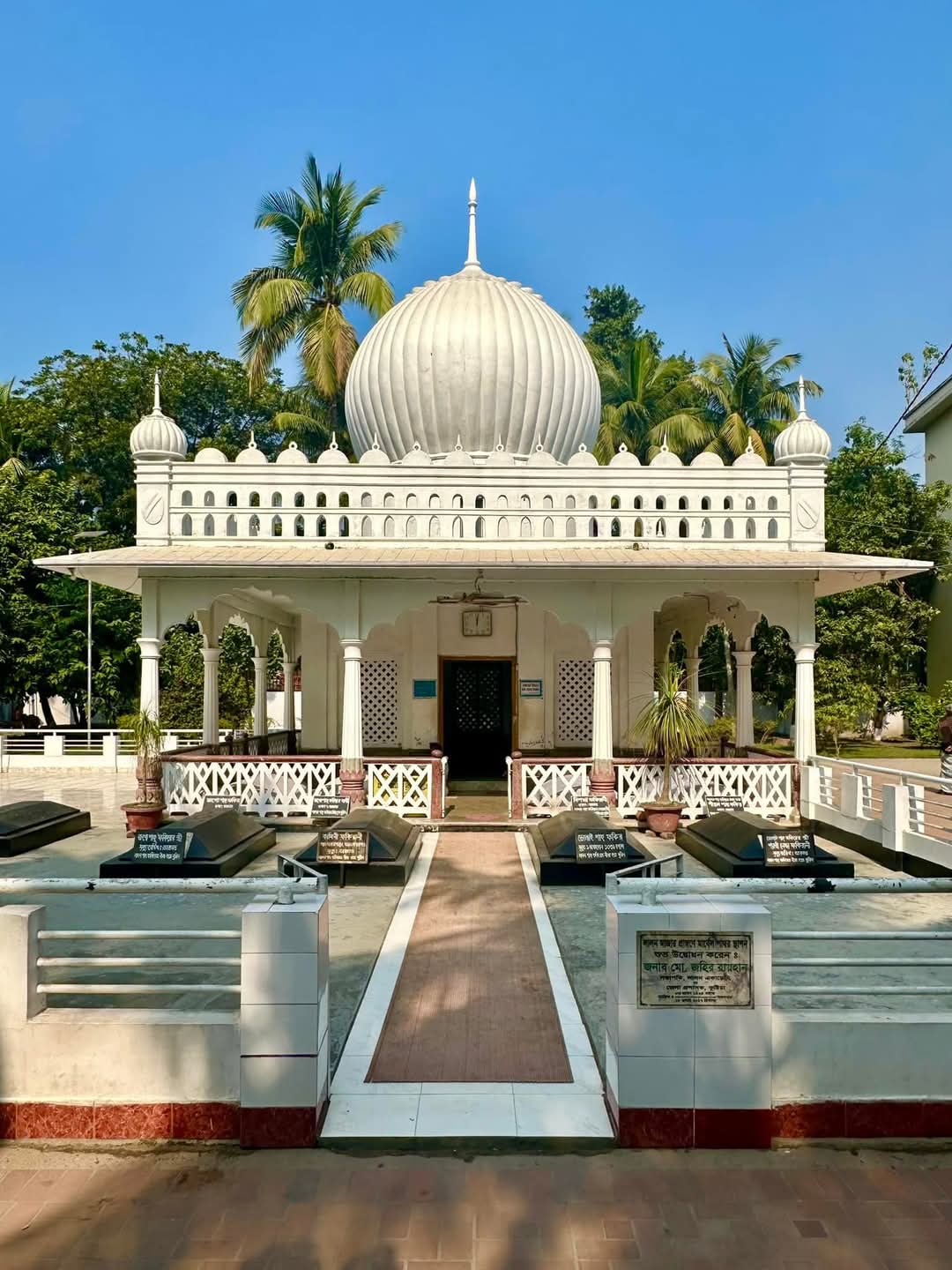
- Lalon Akhra (Cheuriya, Kushtia) – The spiritual center and shrine of the legendary mystic Baul saint Lalon Shah. This serene place, where Lalon lived, taught, and was buried, attracts devotees and music lovers alike. Two major fairs are held here annually to celebrate Lalon’s birth and death anniversaries. Visitors can enjoy soulful Baul songs, rural cultural displays, and profound spiritual discussions, making it a unique cultural heritage experience.
We will have lunch before continuing to our final stop for the day:
- Otter Fishing (Gobratola, Jashore) – A rare and centuries-old fishing tradition where trained otters assist fishermen by driving fish into nets. This fascinating practice demonstrates an extraordinary bond between humans and animals and offers a glimpse into Bangladesh’s living cultural heritage.
Overnight Stay: Khulna
We begin the day with an exciting excursion into the world’s largest mangrove forest, followed by visits to some of Bangladesh’s most remarkable historical mosques.
- Karamjol (Sundarbans) – Our first stop in the Sundarbans, Karamjol is a well-known wildlife sanctuary and crocodile breeding center. Here, visitors can walk through lush mangrove forest trails, spot deer and monkeys, and enjoy peaceful boat rides along the calm river channels.
- Sixty Dome Mosque (Shat Gombuj Masjid, Bagerhat) – Bagerhat, often called the Mosque City of Bangladesh, is home to numerous historic mosques. Among them, the UNESCO World Heritage–listed Sixty Dome Mosque stands out. Built in the 15th century by Khan Jahan Ali during the Bengal Sultanate period, it is the largest historic mosque in Bangladesh, featuring 77 domes supported by 60 stone pillars and showcasing exceptional medieval Islamic architecture.
- Other Bagerhat Heritage Sites – We will also visit Khan Jahan Ali’s Shrine, the Singra Mosque, and the Nine Dome Mosque, each a gem of the region’s Islamic architectural legacy.
Overnight Stay: Barisal
We start early in the morning, traveling about 35 km from Barisal City to reach the Banaripara ferry ghat, where our scenic boat journey begins.
- Floating Vegetable Market – A unique riverside market where farmers sell fresh vegetables directly from their boats. This vibrant trading scene is a signature experience of the region’s river culture.
- Timber Market – An open-air riverside market specializing in wood and timber, giving a glimpse into the local economy and traditional trade practices.
- Village Life by the River – As we cruise along, we will witness the peaceful lifestyle of riverside communities, meet friendly locals, and enjoy the beauty of lush green villages.
After the boat trip, we will return to Barisal and then continue our journey back to Dhaka.
Overnight Stay: Dhaka
Today we set off early for a long but rewarding journey to Sreemangal, the natural beauty capital of Bangladesh, located approximately 200 km from Dhaka. On the way, we will explore the historic Sonargaon area, once the old capital of Bengal.
- Panam City – Built in the late 19th century, Panam City was once a prosperous settlement for wealthy Hindu merchants. It features about 50 historic buildings along a single street, blending Mughal and colonial architectural styles. Though now abandoned, the weathered structures retain their charm, making it a paradise for history lovers and photographers.
- Boro Sardar Bari (Sonargaon) – A grand mansion once owned by a wealthy Hindu landlord, this elegant structure showcases traditional Bengali architecture. Now part of the Sonargaon Folk Arts and Crafts Museum, it exhibits a rich cultural collection, including Jamdani weaving, folk music instruments, and rural crafts from across Bangladesh.
After exploring Sonargaon, we continue our 6–7 hour drive through scenic countryside to reach Sreemangal in the evening.
Overnight Stay: Sreemangal
We start early in the morning to explore the breathtaking natural beauty and rich tea culture of Sreemangal before heading to Sylhet in the evening.
- Lawachara National Park – Located near Sreemangal, this lush tropical rainforest is one of Bangladesh’s most important protected areas. It is home to the rare hoolock gibbons, colorful bird species, and a variety of native plants. Visitors can enjoy guided jungle trails, spot wildlife, and experience the charm of indigenous Khasi villages. Its peaceful, green surroundings make it a perfect eco-tour destination.
- Noor Jahan Tea Garden – Established in the early 1900s during British rule, this is one of the oldest tea estates in Sreemangal. Known for its scenic views and traditional tea-making practices, it offers a tranquil escape and a glimpse into the region’s tea-growing heritage.
- Madhabpur Lake (Moulvibazar) – Created in 1965, this serene lake is surrounded by lush tea gardens and rolling green hills. Famous for its water lilies and rare bird species such as the Great White-bellied Heron, it is an ideal spot for boating, birdwatching, and leisurely walks—especially between October and March.
After lunch, we continue with unique cultural experiences:
- Seven-Color Tea Experience – A specialty of Sreemangal, this unique tea is made by carefully layering different varieties, concentrations, and flavors of tea so that the layers remain separated by density.
- Manipuri Village Visit – A chance to explore the culture, traditions, and handicrafts of the Manipuri community, known for their colorful attire and intricate weaving.
In the late afternoon, we depart for Sylhet.
Overnight Stay: Sylhet
We start early in the morning to make the most of our final day, exploring some of Sylhet’s most stunning natural attractions before returning to Dhaka.
- Ratargul Swamp Forest (Gowainghat, Sylhet) – The only freshwater swamp forest in Bangladesh, often called the “Amazon of the East”. This rare ecosystem remains submerged during the monsoon, creating a magical landscape of tall trees reflected in calm waters. Home to diverse wildlife and bird species, Ratargul is best explored by boat during the rainy season (July–September). Its serene, untouched beauty makes it a paradise for nature and adventure lovers.
- Bisnakandi – A scenic borderland where the hills of Bangladesh and India meet. Bisnakandi is famed for its crystal-clear river, smooth stone beds, and lush green surroundings. The combination of rolling hills, gentle waterfalls, and flowing rivers makes it one of the most picturesque spots in the Sylhet region.
After exploring, we will begin our return journey to Dhaka, concluding our memorable multi-day tour.